 1 hour ago
Introduction
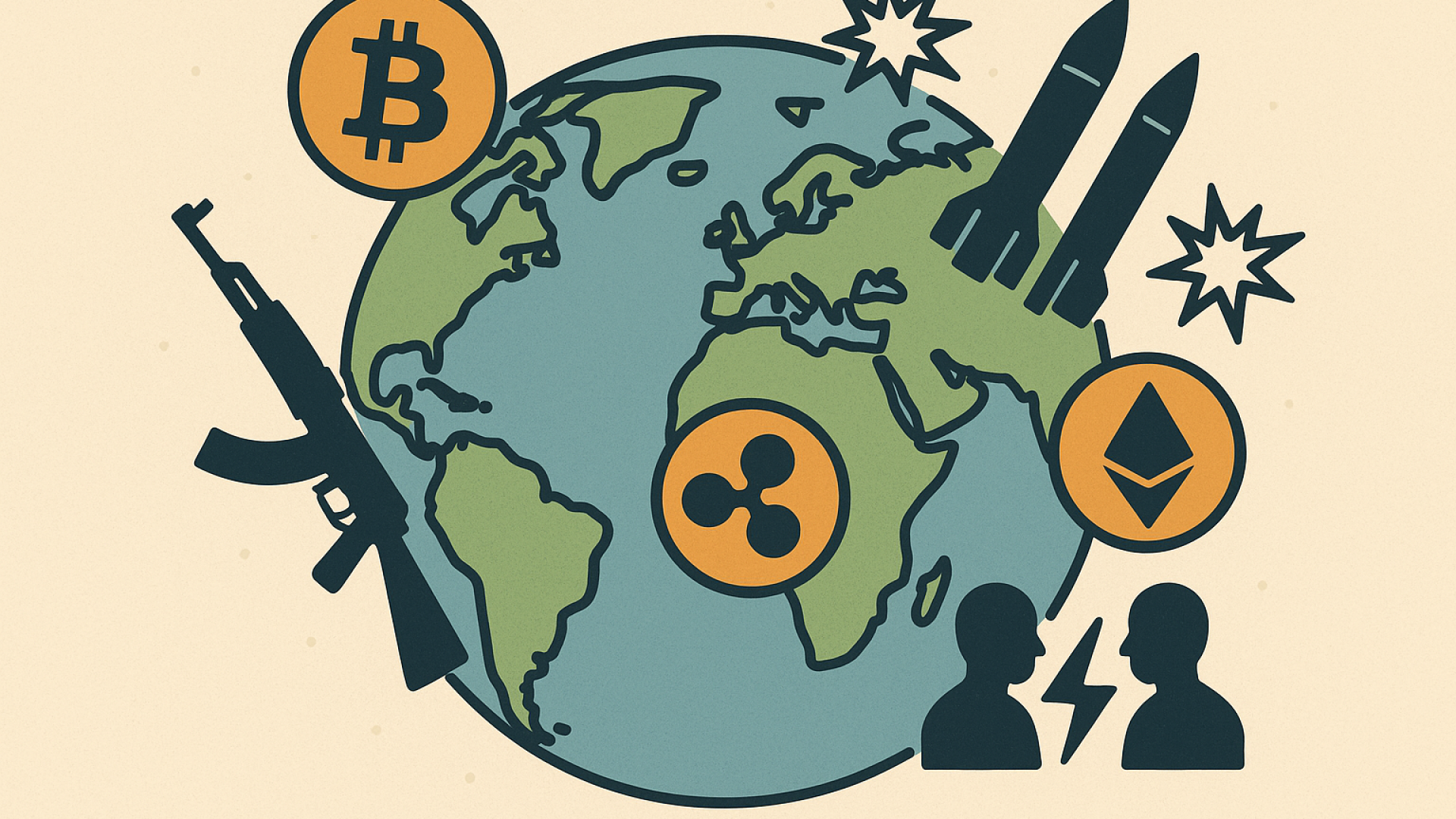
In 2026, the global landscape is marked by intensifying geopolitical tensions that have far-reaching implications beyond traditional diplomacy and economics. One of the most affected sectors is the cryptocurrency market, which has experienced significant volatility and transformation amid these global developments. This article explores the context of current geopolitical conflicts, their direct and indirect impacts on cryptocurrency markets, and potential solutions for investors and regulators navigating this complex environment.
Context: Rising Geopolitical Tensions in 2026
The year 2026 has seen a surge in geopolitical conflicts and strategic rivalries that are reshaping international relations and economic stability. Notably, the recent air strike by Israel that reportedly killed Iranian security chief Ali Larijani has escalated tensions in the Middle East, a region already fraught with longstanding conflicts and power struggles. This incident has not only intensified hostilities but also raised concerns about broader regional destabilization that could have global repercussions.
Concurrently, Russia's sharing of satellite imagery and drone technology with Iran signals a deepening alliance that could shift regional power balances and complicate diplomatic efforts. This technological cooperation enhances military capabilities but also introduces new dimensions of cyber and electronic warfare, which have implications for global security and economic systems.
Beyond the Middle East, economic disruptions such as the ongoing manufacturing layoffs in Illinois and other key industrial regions reflect broader challenges in the global economy. These economic shifts intersect with geopolitical dynamics, creating a volatile environment that affects investor confidence and market stability worldwide. The interplay between political instability and economic performance is particularly significant for emerging asset classes like cryptocurrencies, which are highly sensitive to changes in global sentiment and regulatory landscapes.
Core Impact on Cryptocurrency Markets
Cryptocurrency markets are uniquely sensitive to geopolitical events due to their decentralized nature and the global reach of digital assets. Several key factors illustrate how these tensions influence the market:
- Market Volatility: Heightened geopolitical risks often trigger sharp price fluctuations in cryptocurrencies as investors seek safe havens or liquidate assets amid uncertainty. For example, during periods of escalated conflict or sanctions, cryptocurrencies like Bitcoin and Ethereum have experienced rapid price swings, reflecting their dual role as speculative assets and alternative stores of value.
- Regulatory Responses: Governments facing geopolitical threats may impose stricter regulations on cryptocurrency transactions to prevent illicit financing, money laundering, or capital flight. These regulatory shifts can affect market liquidity and accessibility, sometimes leading to fragmented markets where access to crypto assets varies significantly by jurisdiction.
- Technological Advancements and Security: The sharing of advanced technologies such as satellite imagery and drones between nations like Russia and Iran raises concerns about cybersecurity threats to blockchain networks and crypto exchanges. State-sponsored cyberattacks targeting cryptocurrency infrastructure could disrupt trading platforms, compromise user data, or manipulate blockchain operations, necessitating enhanced security protocols.
- Investor Behavior: Geopolitical instability can drive increased interest in cryptocurrencies as alternative assets, especially in regions with unstable fiat currencies or restrictive capital controls. In countries experiencing economic sanctions or hyperinflation, cryptocurrencies often serve as a means to preserve wealth and facilitate cross-border transactions, thereby increasing demand and market activity.
Case Studies and Recent Developments
Several recent events exemplify these dynamics and highlight the complex relationship between geopolitics and cryptocurrency markets:
- Israel-Iran Conflict: The targeted killing of Ali Larijani has intensified regional hostilities, leading to increased demand for cryptocurrencies in affected areas as a means of preserving wealth and facilitating cross-border transactions. This demand surge reflects a broader trend where populations in conflict zones turn to decentralized financial systems to circumvent traditional banking restrictions and economic instability.
- Russia-Iran Technology Sharing: This alliance not only affects military capabilities but also raises the stakes for cyber warfare, potentially targeting cryptocurrency infrastructure and necessitating enhanced security protocols. The collaboration underscores the growing intersection between geopolitical strategy and technological innovation, with implications for the security and integrity of digital financial systems worldwide.
- Manufacturing Layoffs and Economic Shifts: Economic disruptions in the U.S., such as layoffs in Illinois, contribute to broader market uncertainty, influencing investor sentiment and crypto market dynamics. Economic downturns often lead investors to seek alternative assets, including cryptocurrencies, as a hedge against traditional market volatility and inflationary pressures.
- Cryptocurrency Extortion Cases: Legal actions like the sentencing of a former L.A. County deputy for cryptocurrency extortion highlight ongoing challenges in regulating and securing digital assets. Such cases emphasize the need for robust legal frameworks and enforcement mechanisms to combat fraud, extortion, and other illicit activities within the crypto ecosystem.
Potential Solutions and Strategies
To navigate the complex interplay between geopolitical tensions and cryptocurrency markets, stakeholders can consider the following approaches:
- Enhanced Regulatory Frameworks: Governments and international bodies should collaborate to develop clear, consistent regulations that balance security concerns with innovation and market growth. Harmonized regulations can reduce market fragmentation, improve investor confidence, and facilitate legitimate use of cryptocurrencies while curbing illicit activities.
- Improved Cybersecurity Measures: Crypto exchanges and blockchain platforms must invest in advanced security technologies to protect against state-sponsored cyber threats and hacking attempts. This includes adopting multi-layered defense systems, continuous monitoring, and rapid response protocols to safeguard user assets and data integrity.
- Diversification and Risk Management: Investors should adopt diversified portfolios and employ risk management strategies to mitigate the impact of geopolitical volatility on their crypto holdings. This may involve balancing exposure across different asset classes, geographies, and blockchain technologies to reduce systemic risks.
- Technological Innovation: Continued development of privacy-focused and resilient blockchain technologies can help safeguard transactions and user data in unstable geopolitical climates. Innovations such as zero-knowledge proofs, decentralized identity solutions, and quantum-resistant cryptography enhance security and privacy, fostering greater trust in digital assets.
- Public Awareness and Education: Increasing awareness about the risks and opportunities in cryptocurrency markets amid geopolitical tensions can empower investors to make informed decisions. Educational initiatives should focus on understanding market dynamics, regulatory environments, and security best practices to promote responsible participation.
Conclusion
The geopolitical tensions of 2026 present both challenges and opportunities for cryptocurrency markets. While conflicts and alliances reshape the global order, they also accelerate the evolution of digital assets as alternative financial instruments. The decentralized nature of cryptocurrencies offers unique advantages in times of political and economic uncertainty, yet also exposes the market to heightened risks from regulatory crackdowns and cyber threats.
By understanding the multifaceted impacts of these tensions and adopting proactive strategies, investors, regulators, and technology developers can better navigate the uncertainties ahead. Collaboration across governments, industry stakeholders, and the crypto community is essential to foster a secure, transparent, and resilient ecosystem. The future of cryptocurrency in this volatile geopolitical environment will depend on innovation, adaptability, and a shared commitment to safeguarding the integrity of digital financial systems worldwide.