 4 months ago
Introduction
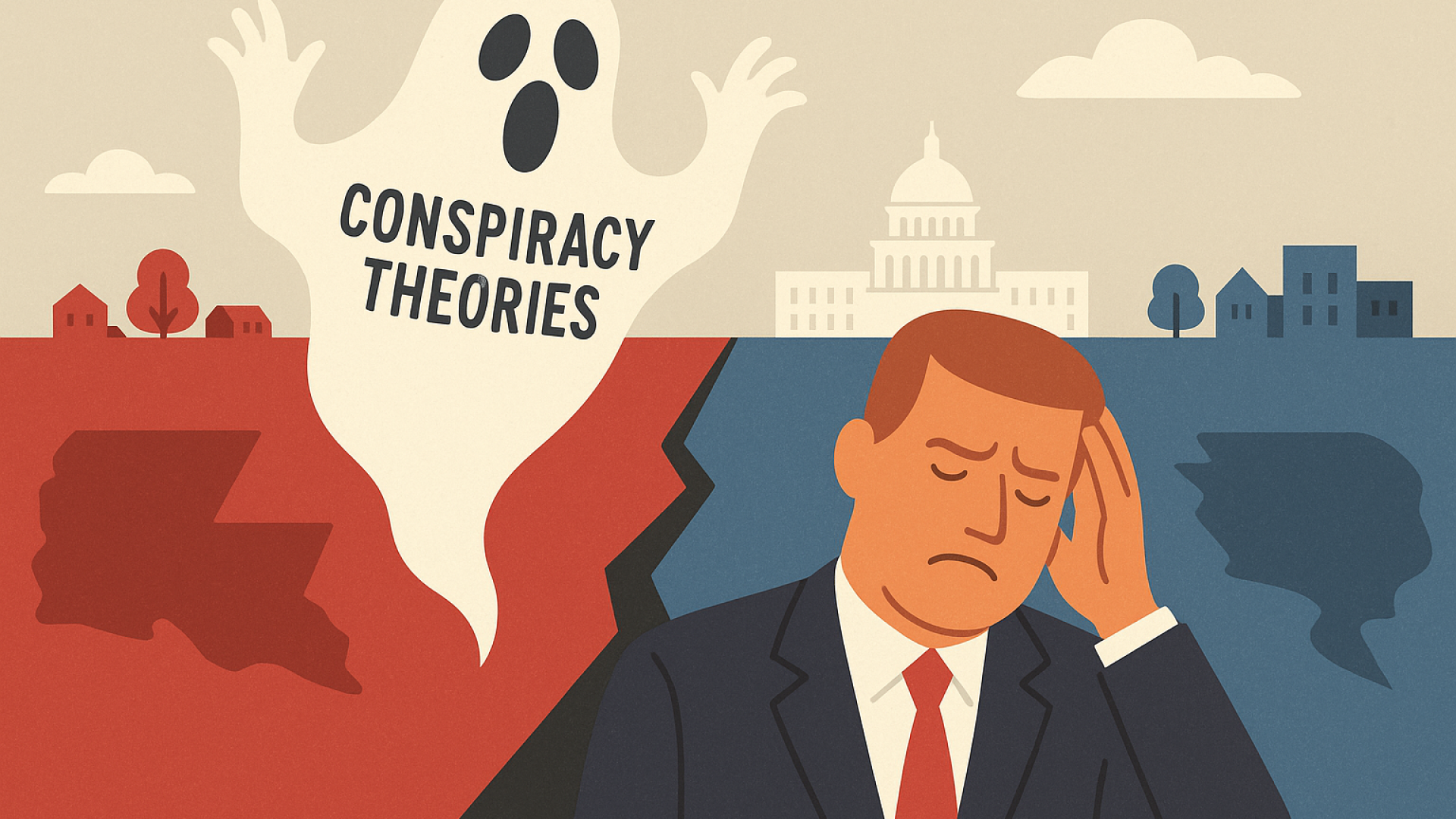
In the ever-evolving landscape of American politics, few figures have left as polarizing and enduring a mark as former President Donald Trump. Despite leaving office years ago, the ghosts of his conspiracy theories have not only lingered but have returned with renewed vigor to haunt the political discourse in 2026. This resurgence raises critical questions about the nature of truth, the fragility of democratic institutions, and the challenges facing the United States as it navigates a complex domestic and international environment.
Trump’s influence on American political culture is undeniable, and the persistence of his conspiracy theories highlights a broader crisis in how information is consumed, interpreted, and weaponized. As these theories regain prominence, they continue to shape public opinion, influence electoral outcomes, and challenge the very foundations of democratic governance.
Context: The Origins and Spread of Trump’s Conspiracy Theories
Donald Trump’s political career has been closely intertwined with a series of conspiracy theories that have captivated and divided the American public. From the baseless claims of widespread voter fraud in the 2020 presidential election to allegations about deep state actors undermining his administration, these narratives have been a hallmark of his approach to politics.
These conspiracy theories were not merely fringe ideas but were amplified through social media platforms, partisan news outlets, and rallies, creating a parallel reality for millions of supporters. The impact was profound, contributing to a climate of mistrust and polarization that has persisted well beyond Trump’s presidency.
Social media algorithms played a crucial role in spreading these theories, often prioritizing sensational content that fueled outrage and engagement. This environment allowed misinformation to flourish unchecked, with fact-checking efforts frequently overwhelmed or dismissed by loyal audiences. The result was a fragmented information ecosystem where competing versions of reality coexisted, undermining consensus on basic facts.
Moreover, Trump’s rhetoric often framed these conspiracy theories as acts of patriotism or resistance against corrupt elites, which resonated deeply with segments of the population feeling disenfranchised or skeptical of traditional institutions. This dynamic helped embed these narratives into the identity of a significant political movement, making them resistant to debunking or dismissal.
The Resurgence in 2026: Why Now?
As the United States approaches the mid-2020s, several factors have contributed to the revival of Trump’s conspiracy theories. Firstly, the political landscape remains deeply divided, with a significant portion of the electorate still loyal to Trump and his worldview. This base continues to consume and propagate narratives that challenge mainstream accounts of political and social events.
Secondly, the rise of new political figures who echo or build upon Trump’s rhetoric has kept these theories in circulation. These leaders often use conspiracy theories as tools to mobilize supporters, delegitimize opponents, and shift public discourse away from policy debates to questions of loyalty and identity. Their platforms, amplified by sympathetic media outlets and online communities, ensure that these ideas remain visible and influential.
Thirdly, ongoing social and economic uncertainties, including inflation, geopolitical tensions, and cultural shifts, create fertile ground for conspiracy theories to thrive. In times of uncertainty, simple explanations and scapegoats can be appealing, even when they lack factual basis. The anxiety and frustration felt by many Americans amid rapid change and perceived threats to their way of life make them more susceptible to narratives that offer clear villains and straightforward solutions.
Additionally, the evolving media landscape, with the proliferation of alternative news sources and decentralized social networks, has made it easier for conspiracy theories to spread without traditional gatekeeping. This decentralization complicates efforts to counter misinformation and allows fringe ideas to gain mainstream traction more rapidly than in the past.
The Core Conspiracy Theories Making a Comeback
- Election Fraud Claims: Despite multiple investigations and court rulings affirming the integrity of recent elections, claims of widespread voter fraud have resurfaced, particularly around local and state elections. These allegations continue to undermine confidence in democratic processes and have led to legislative efforts aimed at tightening voting laws, which critics argue may suppress voter turnout.
- Deep State and Media Manipulation: The narrative that a hidden network of bureaucrats and media elites is working to sabotage conservative politicians remains a potent theme, fueling distrust in institutions. This theory portrays the government and mainstream media as enemies of the people, eroding trust in essential pillars of democracy and complicating efforts to foster informed civic engagement.
- Globalist and Foreign Influence Theories: Accusations that foreign powers or globalist entities are manipulating American politics have gained traction, often tied to broader anxieties about national sovereignty and economic competition. These theories sometimes intersect with nationalist and protectionist sentiments, framing international cooperation as a threat rather than an opportunity.
Impact on American Society and Politics
The resurgence of these conspiracy theories has significant implications for American society. Politically, they contribute to increased polarization, making bipartisan cooperation more difficult and eroding the norms that underpin democratic governance. The entrenchment of opposing realities fosters gridlock and diminishes the possibility of constructive dialogue on pressing issues.
Socially, the spread of misinformation fosters division and can incite hostility or violence. The events of January 6, 2021, remain a stark reminder of the potential consequences when conspiracy theories translate into real-world actions. The continued circulation of these ideas risks normalizing extremist views and undermining public safety.
Moreover, these narratives complicate efforts to address pressing issues such as public health, climate change, and economic inequality, as consensus becomes harder to achieve in a fragmented information environment. Public skepticism fueled by conspiracy theories can hinder policy implementation and reduce trust in scientific and governmental institutions.
The educational system also faces challenges, as misinformation seeps into curricula debates and public discourse, making it harder to cultivate critical thinking skills and a shared understanding of history and civics among younger generations.
Addressing the Challenge: Solutions and Strategies
Confronting the persistent influence of conspiracy theories requires a multifaceted approach:
- Media Literacy and Education: Enhancing public understanding of how to critically evaluate information sources is essential. Educational initiatives can empower citizens to discern credible news from misinformation. Programs targeting schools, community organizations, and online platforms can build resilience against false narratives.
- Platform Accountability: Social media companies and digital platforms must continue to refine policies that limit the spread of false information while balancing free speech concerns. Transparency in content moderation and algorithmic processes can help rebuild public trust and reduce the amplification of harmful content.
- Political Leadership: Leaders across the political spectrum have a responsibility to reject conspiracy theories and promote fact-based discourse. Building trust in institutions is crucial for democratic resilience. Public condemnations of misinformation and commitments to truth can set a tone that discourages the spread of falsehoods.
- Community Engagement: Grassroots efforts that foster dialogue and understanding between divided groups can help bridge gaps and reduce polarization. Initiatives that encourage empathy, shared experiences, and collaborative problem-solving can counteract the alienation that fuels conspiracy thinking.
- Support for Independent Journalism: Strengthening independent and investigative journalism is vital to provide accurate information and hold power accountable. Funding models and protections for journalists can help sustain a free press capable of countering misinformation.
Looking Ahead: The Future of Truth and Democracy in America
The persistence of Trump’s conspiracy theories into 2026 underscores the ongoing struggle over the nature of truth in American public life. While these narratives pose challenges, they also highlight the importance of strengthening democratic institutions and norms. The battle over facts is not merely about information but about the values and cohesion of society itself.
As the nation moves forward, the ability to foster a shared commitment to facts and open dialogue will be vital. The resilience of American democracy depends not only on political leaders but on the active engagement of citizens committed to truth and unity. Efforts to rebuild trust, promote transparency, and encourage critical thinking will be essential in overcoming the divisive legacy of conspiracy theories.
Ultimately, the future of American democracy hinges on the collective will to confront misinformation and reaffirm the principles of open discourse, accountability, and respect for evidence. Only through sustained and inclusive efforts can the shadows of conspiracy be dispelled, paving the way for a more informed and united society.
Conclusion
The ghosts of Donald Trump’s conspiracy theories have indeed returned to haunt American politics, reflecting deeper societal divisions and challenges. Addressing this phenomenon requires vigilance, education, and a collective effort to reaffirm the values of truth and democracy. Only through such concerted action can the United States hope to overcome the shadows of misinformation and build a more inclusive and informed future.